Murano Glass Workshops
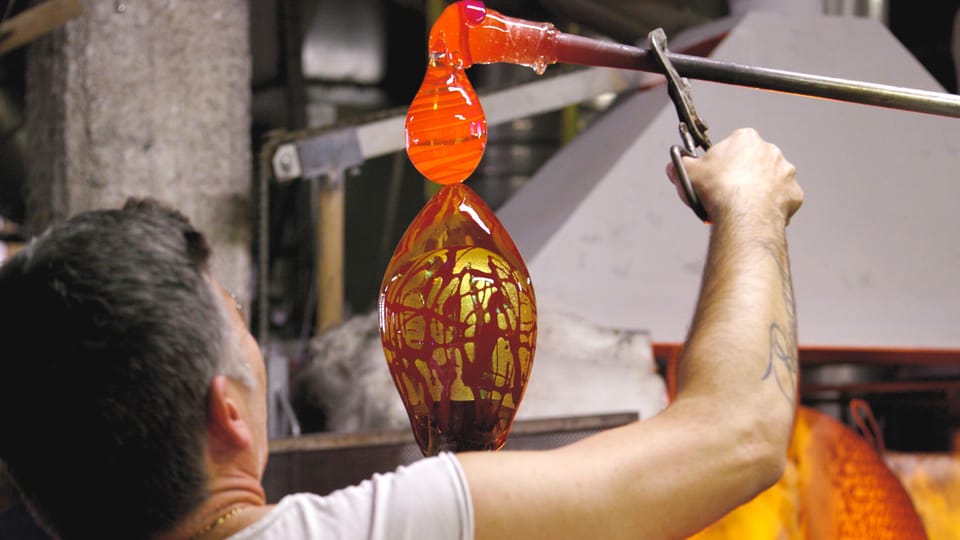
Observe traditional glass-blowing techniques where artisans shape molten glass into complex forms. The island has been the center of Venetian glass production since 1291.
Watch demonstrations early to avoid the largest crowds.

Three islands in the Venetian Lagoon offer distinct identities beyond the main city. Murano preserves seven centuries of glassmaking, Burano displays its painted facades and lace heritage, and Torcello holds the lagoon's oldest standing cathedral. Each sits 30 to 50 minutes from Venice by public vaporetto.
Quick answer
The primary islands in Venice to visit are Murano, Burano, and Torcello. Murano is known for glass workshops and furnace demonstrations, Burano for its brightly painted fishermen's houses and lace tradition, and Torcello for the 7th-century Cathedral of Santa Maria Assunta with its gold-ground Byzantine mosaics. All three are accessible by public vaporetto from Fondamente Nove, with Murano closest at 10–15 minutes, Burano at 40 minutes, and Torcello an additional 5 minutes beyond Burano.
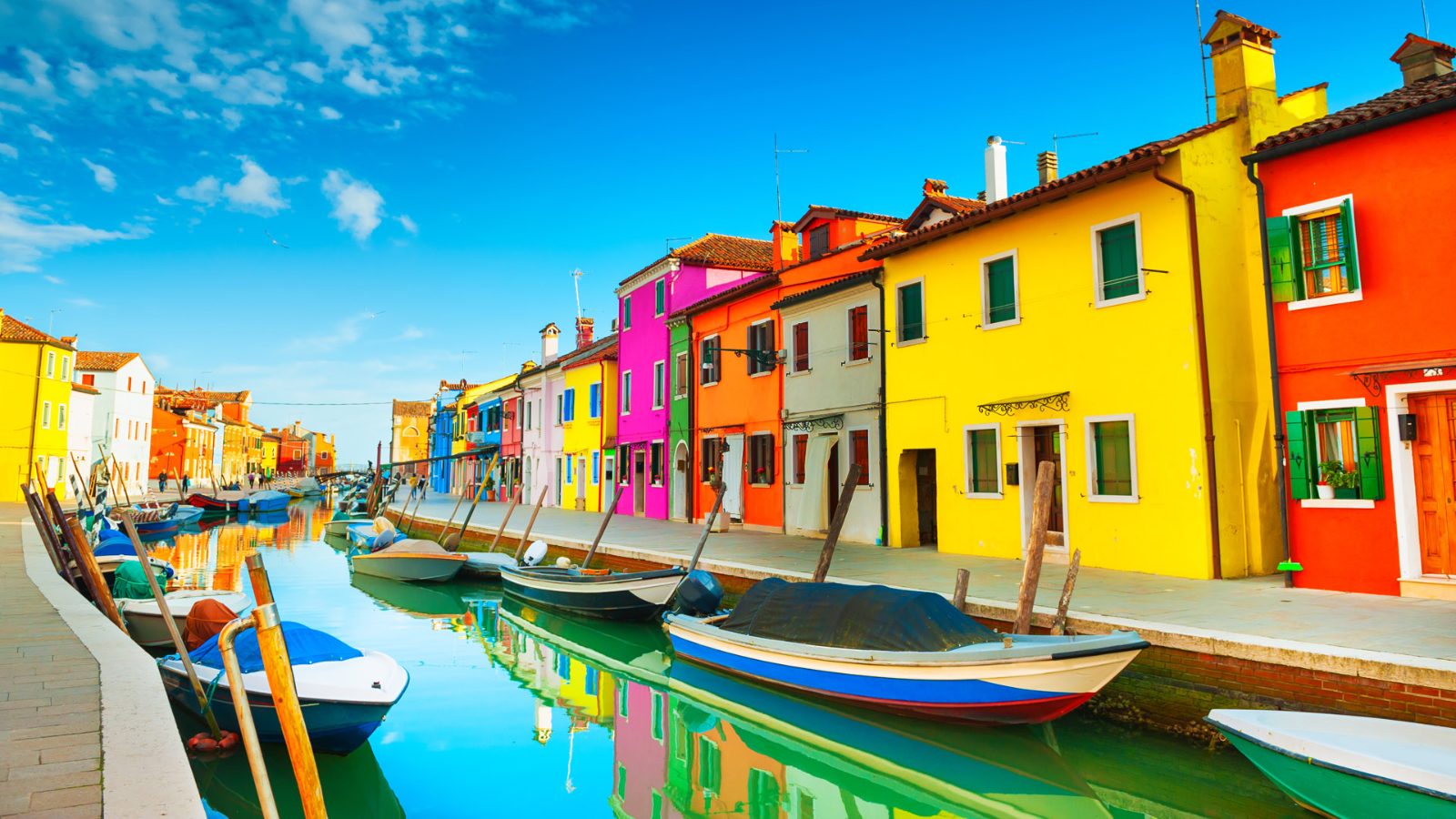
Murano's reputation rests on molten silica. The Republic of Venice relocated all glass furnaces to the island in 1291 to contain fire risk, and the craft has operated continuously since. Visitors watch maestri shape vases and chandeliers in working furnaces, then walk showrooms where prices range from small pendants to sculptural pieces requiring freight shipping. The Basilica dei Santi Maria e Donato, dating to the 7th century, displays a geometric mosaic floor and relic fragments. Burano's chromatic grid emerged from practical necessity — fishermen painted their homes in distinct colors to identify them through lagoon fog. The tradition persists under municipal regulation: homeowners must submit color proposals to the government, which approves shades according to a specific chart tied to each lot. The island's lace-making tradition, once an export industry employing thousands, now survives in the Museo del Merletto and a handful of artisans working outside tourist shops. Authentic pieces require weeks of labor and command correspondingly high prices. Torcello supported 20,000 residents in the 10th century, when it served as the lagoon's commercial hub. Malaria and silting drove the population to Venice, leaving behind the Cathedral of Santa Maria Assunta and the Church of Santa Fosca. The cathedral's interior holds a complete 12th-century mosaic cycle: a gold-ground Madonna on the apse, a Last Judgment across the entrance wall. Torcello receives a fraction of the visitors that flood Murano and Burano, and its gravel paths and marsh views provide the quietest walking in the lagoon. These Venetian lagoon islands function as half-day or full-day extensions of a Venice visit. Murano pairs naturally with Burano because the same vaporetto line serves both in sequence. Adding Torcello requires only a five-minute continuation from Burano. Most visitors allocate 60 to 90 minutes per island, though Torcello's limited attractions can be seen in 30 to 40 minutes. The islands in Venice to visit each offer a focused subject — glass, color, or Byzantine art — rather than the compressed complexity of the main city.
“Torcello supported 20,000 residents in the 10th century, when it served as the lagoon's commercial hub.”
This itinerary suits visitors wanting to see all three islands in a single day, following the vaporetto route counterclockwise from Venice to minimize backtracking. Budget 6–7 hours total, including ferry transfers.
Start at the northernmost stop to explore the Glass Museum and watch a furnace demonstration, then walk the fondamenta toward Faro. Allow 90 minutes before catching the next boat.
The direct line from Murano Faro takes roughly 30 minutes. Disembark at Burano's single stop and head straight for the lace shops and colorful houses along Via Galuppi.
Spend 90 minutes photographing the painted facades, visiting the Lace Museum if it's open, and wandering the quieter back canals beyond Piazza Galuppi.
Pick a trattoria near the main square. Risotto de gò is the local specialty. Keep it short—Torcello closes mid-afternoon in winter.
The 5-minute crossing lands you at a near-empty island. Walk the brick path toward the basilica; the journey feels more remote than the distance suggests.
Climb the campanile for lagoon views, then study the gold Byzantine mosaics inside the church. Torcello wraps up by 17:00 in low season, so don't linger.
Boats run every 30 minutes from Torcello back to Fondamente Nove. The route reverses your morning path, depositing you in Cannaregio by early evening.
Public transport is the most reliable way to reach the northern lagoon islands from Venice city center. All primary transit to Murano, Burano, and Torcello is managed by ACTV via the vaporetto network.
Line 4.1 or 4.2 from Fondamente Nove to Murano
Line 12 from Fondamente Nove to Burano
Line 12 from Burano to Torcello
Depart from the Fondamente Nove waterbus station to access the most direct routes to the islands. Ensure your ticket is validated before boarding any vaporetto to avoid penalties.
Exploring the Venetian Lagoon reveals three distinct islands, each defined by unique traditions in glassmaking, lacework, and Byzantine art. These highlights represent the heritage preserved across Murano, Burano, and Torcello.
Observe traditional glass-blowing techniques where artisans shape molten glass into complex forms. The island has been the center of Venetian glass production since 1291.
Watch demonstrations early to avoid the largest crowds.
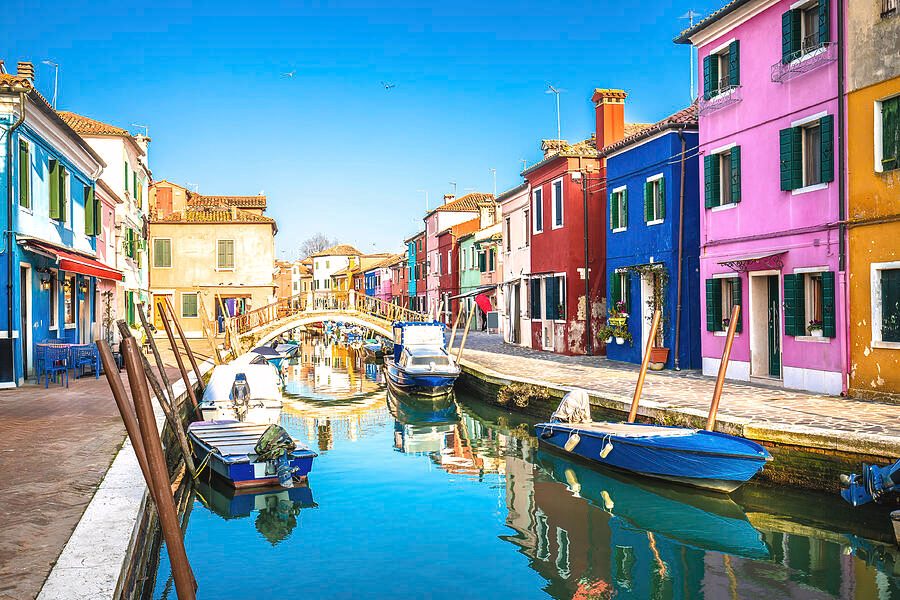
Stroll through the island's streets to view the distinctively painted homes that reflect local maritime history. The vibrant facades remain a tradition maintained by the residents.
Look down the side canals for the most vibrant color palettes.
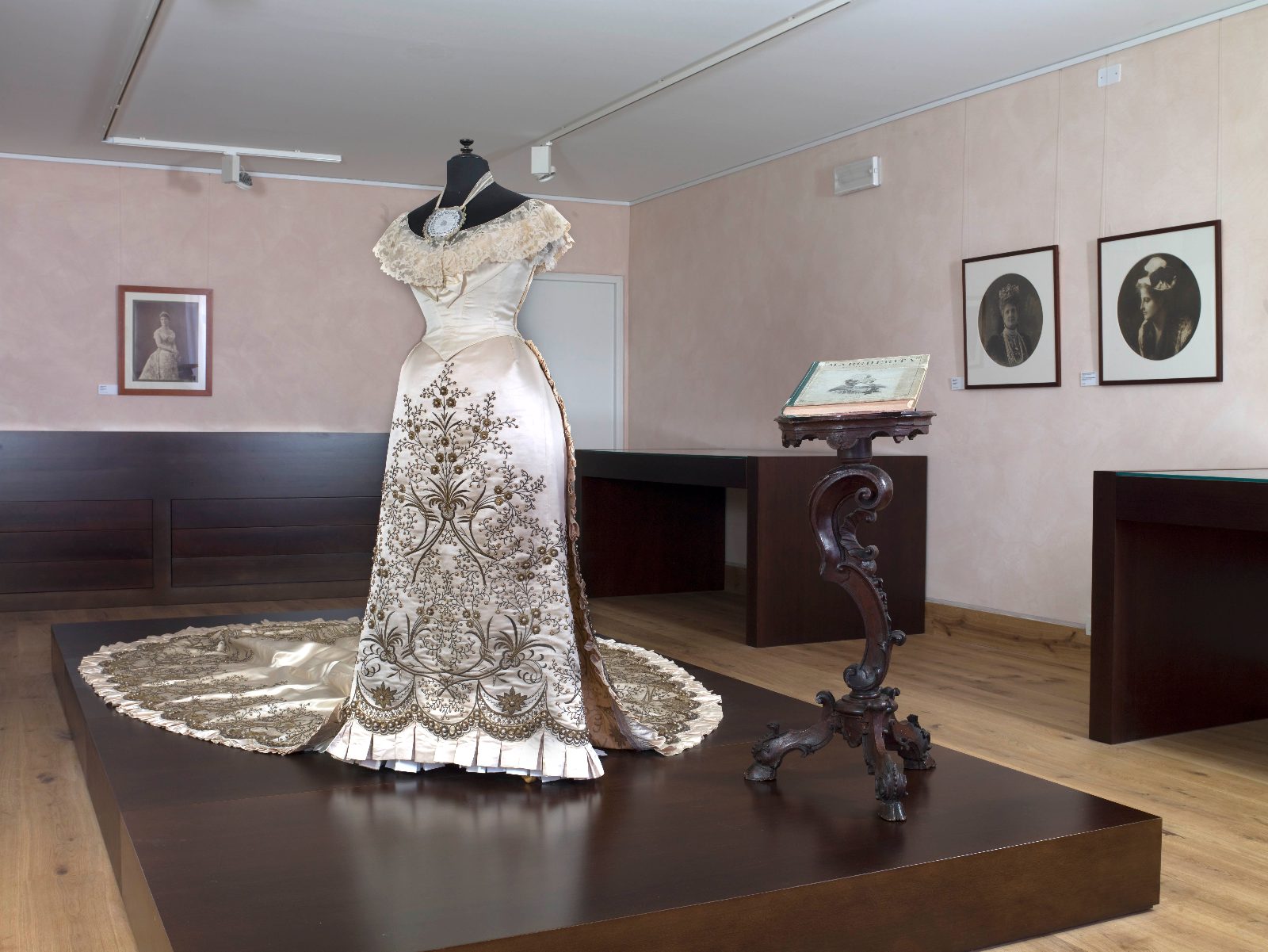
The Museo del Merletto displays a collection of intricate needle lace dating from the 16th to the 20th century. It documents the evolution of Burano's famous lace-making craft.
Check the back rooms for detailed historical lace patterns.
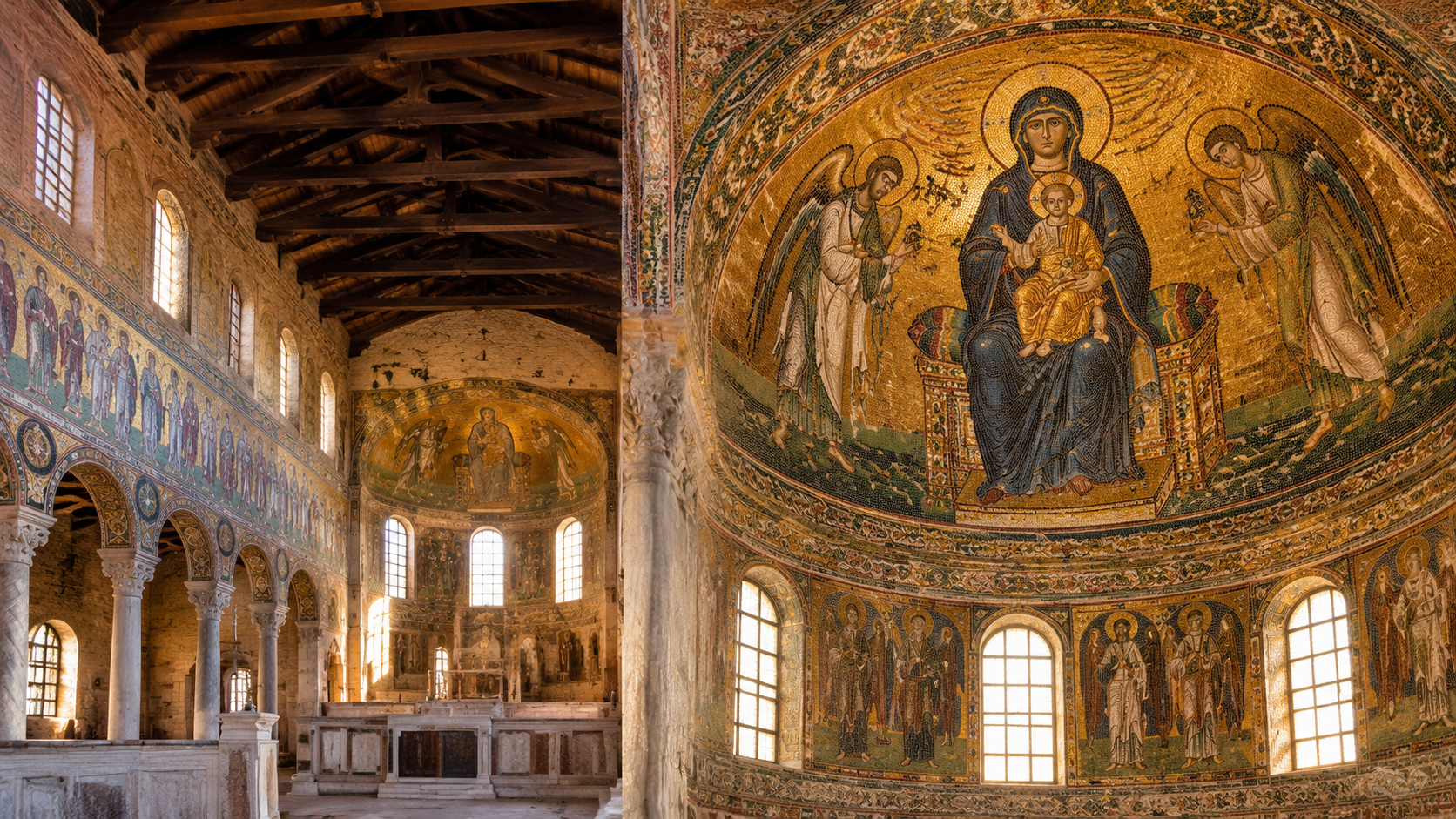
Located on Torcello, this basilica features extensive 11th-century Byzantine mosaics, including the prominent depiction of the Virgin and Child. It stands as a remnant of the island's once-prosperous past.
Study the Last Judgment mosaic on the entrance wall.
The optimal window for visiting Murano, Burano, and Torcello is during the shoulder seasons of spring and autumn. Visiting during these periods, particularly in the early morning, allows for a more measured pace before the mid-day arrival of day-trip crowds.
—
Early arrivals experience quieter streets and easier access to local glass-blowing demonstrations.
Mild, 15°C to 22°C
Pleasant temperatures make walking between sites comfortable and manageable.
Cooler, 14°C to 21°C
Stable conditions prevail as the peak summer heat and tourist volume subside.
Verdict: The best slot is Tuesday to Thursday during early morning hours in April or October.
Three islands in one day sounds manageable until you factor in vaporetto schedules and the walking required on each. The most frequent mistake is underestimating travel time between islands.
Trying to visit all three islands in under five hours
Allow a minimum of six hours for a relaxed visit to Murano, Burano, and Torcello combined. Each vaporetto leg takes 30–45 minutes, and you'll want at least an hour on each island to avoid rushing.
Arriving at Torcello after 4:30 PM
Most attractions on Torcello close by 5 PM or earlier in low season. Plan to reach the island by early afternoon to see the basilica and climb the campanile.
Booking a morning tour when glass factories are closed
Many Murano furnaces shut on weekends or operate limited hours. If watching glassblowing is a priority, confirm the workshop schedule before committing to a time slot.
Skipping Murano entirely to maximize time on Burano
Murano sits between Venice and Burano on most routes, making it an efficient stop rather than a detour. A one-hour visit to see the glass museum or a single furnace keeps your itinerary logical without backtracking.
Carrying large bags between islands all day
Vaporettos get crowded, and the islands have narrow walkways and bridges. Store luggage at your Venice accommodation or use left-luggage services at Piazzale Roma before heading out.
Everything you need to know about islands in venice to visit
Most travelers choose Murano for its glass-making heritage, followed by the vibrant colors of Burano and the quiet history of Torcello. Prioritizing these islands in Venice to visit allows for a diverse experience of the lagoon.
Plan for at least four to six hours to comfortably explore all three locations. This duration provides enough time to see the main attractions without feeling rushed by transport schedules.
Yes, the ACTV vaporetto system serves all these destinations regularly. Using public transport is the standard way to reach the islands in Venice to visit throughout the day.
There is no admission fee to enter the islands themselves. While some specific museums or glass-blowing demonstrations may charge an entry fee, walking through the streets and squares is free.
These locations are generally very family-friendly, offering wide pedestrianized streets and fascinating sights like glass furnaces. Many families find them to be a relaxing alternative to the busier Venice city center.
Early morning is recommended to avoid the midday crowds that peak between 11:00 AM and 3:00 PM. Visiting during the shoulder seasons of spring and autumn provides the most comfortable weather for walking.
A frequent error is trying to fit too many stops into a single afternoon, which results in spending more time on the boat than on the islands. It is better to focus on a relaxed pace to appreciate the local atmosphere of these islands in Venice to visit.