
4 hr 30 min
Venetian Lagoon Islands: Murano, Burano & Torcello Boat Experience
Cruise to Venice's iconic lagoon islands with glassblowing demos, vibrant villages, and flexible schedules
Reserve
Hand-picked by our editors — only the best 5 experiences from 12 reviewed.
Verified partners for every tour, free cancellation where available, and instant confirmation on every booking.
4 hr 30 min
Cruise to Venice's iconic lagoon islands with glassblowing demos, vibrant villages, and flexible schedules
Reserve
6 hr
Explore three iconic lagoon islands by panoramic boat with glassblowing demo and free time to wander
Reserve
4 hr 30 min
Cruise to two iconic Venetian islands and witness master artisans at work in a traditional glass factory
ReservePrices from verified partners. Availability updates in real time at checkout. Free cancellation policies apply where shown.
The landmarks, rooms, and views travelers on this tour remember — all visible on a single visit.
Housed in the Palazzo Giustinian, it displays centuries of Venetian glass evolution.
Experience traditional glassblowing demonstrations where craftsmen manipulate molten glass into art.
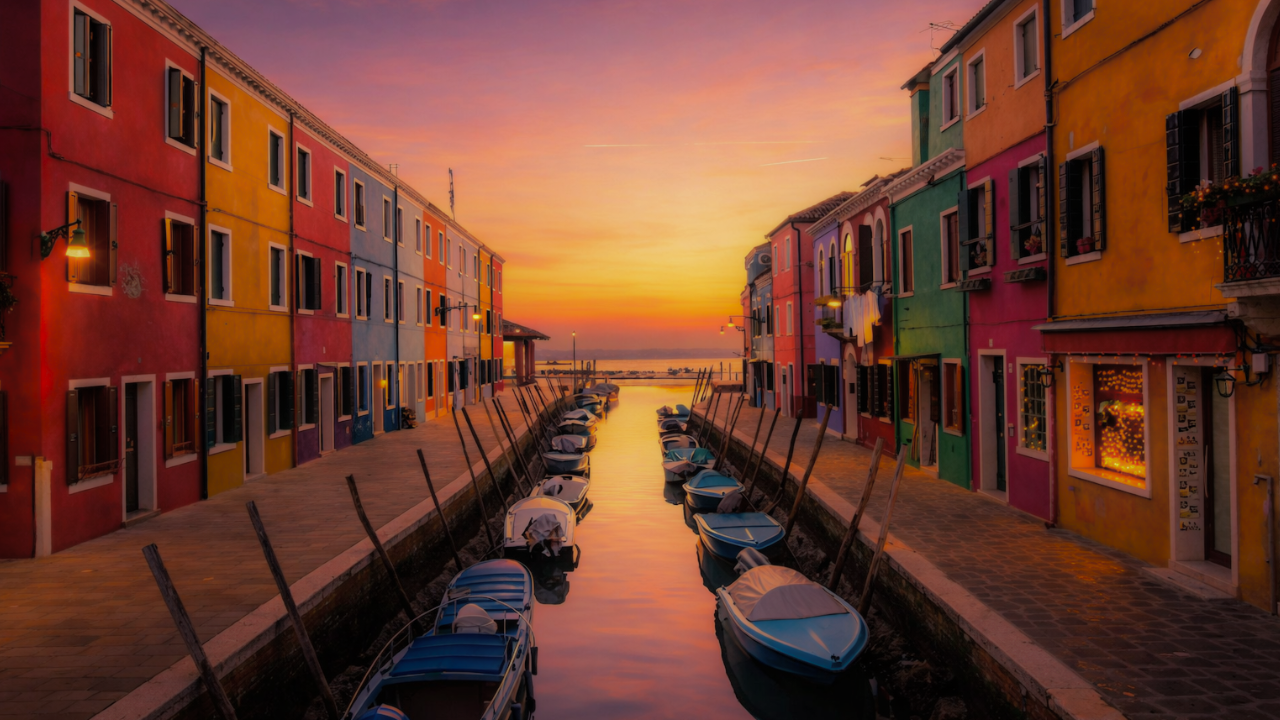
These vivid, painted homes are iconic examples of local island preservation and culture.
Featuring rare 11th-century Byzantine mosaics, this is one of the oldest religious structures in the lagoon.
Observe artisans in Burano continuing the centuries-old tradition of needle-lace creation.
Guided excursions offer a seamless logistical experience, whereas independent vaporetto trips provide superior personal freedom; most travelers prefer the organized venice glass island tour for its efficient navigation of local furnaces and landmarks. Choosing the right Venice lagoon sightseeing tour depends on whether you prioritize expert narration or a self-paced schedule.
| Feature | Top pick Guided Tour | Independent Vaporetto |
|---|---|---|
Ease of navigation |
Staff-led transitions | Self-managed route planning |
Structure vs. Flexibility |
Fixed itinerary schedule | Complete personal freedom |
Cost efficiency |
Inclusive of group logistics | Pay-per-ride or day pass |
Language barriers |
Multilingual guide provided | Limited signage or assistance |
Total transit time |
Optimized docking times | Dependent on public schedule |
| See tickets → |
Verdict: The venice glass island tour tickets are best for those seeking a stress-free day through the lagoon, while independent hopping suits travelers who value setting their own pace at each stop.
Choose your ticket, select your date, and reserve in under two minutes. Secure checkout handled by our verified partner.
Instant confirmation by email, with a mobile voucher you can save offline. No printing, no queuing at a collection desk.
Arrive at the entrance, show your voucher on your phone, and walk in. Most tickets include priority or skip-the-line access.
Practical details for your visit straight from our verified partners — hours, access, rules, and how to get there.
Fondamenta Marco Giustinian, 8, Murano
Main entrance of the Glass Museum
Take Vaporetto Line 3 or 4.1/4.2 to Murano from Venice. These lines connect directly to the main island hubs.
Casual and comfortable attire is recommended for this venice glass island tour. Wear supportive footwear for walking on uneven cobblestone streets across the three islands.
Large backpacks and bulky luggage are prohibited inside the Glass Museum during your venice glass island tour. Secure your belongings on the mainland or at your accommodation before arrival.
Personal photography is permitted without flash in the Glass Museum galleries. Respect local artisans by asking before photographing private furnaces during your venice glass island tour.
The Glass Museum is fully wheelchair accessible via lift. Some historic streets in Burano and Torcello have narrow, uneven paths that may present challenges for standard wheelchairs.
Mobile phones must be set to silent mode while inside the Glass Museum. Feel free to use your device for navigation between islands.
The venice glass island tour is suitable for children who appreciate art and history. Strollers are manageable in the museum but can be difficult on small canal bridges.
Eating and drinking are not permitted within the Glass Museum galleries. Murano and Burano offer various cafes for breaks during your venice glass island tour.
Small pets are allowed in the public island spaces but are generally not permitted inside the Glass Museum. Carry bags for pets are required in museum facilities.
The venice glass island tour requires frequent boarding and disembarking of public water buses. Purchase a 24-hour ACTV transport pass to navigate between islands efficiently.
Fondamenta Marco Giustinian, 8, Murano
Main entrance of the Glass Museum
Get directionsBest time to go, insider tips, nearby landmarks, and the cancellation fine print — flip through to skim what matters to you.
How crowds, weather, and events shift across the year.
Mild temperatures and thinner crowds make this a pleasant time for a venice glass island tour.
Expect high temperatures and peak tourist volumes; visit early to mitigate the heat.
Current conditions are moderate, providing an ideal climate for walking and boat travel.
Quieter period with occasional high water, but furnaces remain active and warm.
Small details that turn a good visit into a great one.
Schedule your venice glass island tour arrivals for 10:00 to 11:00 to keep the day comfortable.
A 24-hour pass saves money compared to individual tickets for your venice glass island tour.
Keep noise levels low when walking through residential areas in Burano.
Shops can be infrequent on the quieter island of Torcello during a venice glass island tour.
Always verify the final return ferry departure time for your venice glass island tour route.
Non-bookable sights within a short walk — free to visit, easy to pair.
Ancient church known for its intricate 12th-century floor mosaics. It is a key site for architectural heritage in Murano.
Historic bell tower offering views of the lagoon after climbing. It provides a unique perspective of the isolated island landscape.
Dedicated to the traditional lace-making history of Burano. Located in a historic school building.
Flexible, no hidden fees.
Full refunds are provided for cancellations requested within the operator's specified timeframe. Please note that the 15 EUR entrance fee for the Glass Museum is non-refundable if purchased separately.
Hand-picked options within walking distance — pick a district for vibe, or a specific hotel for convenience.
Contemporary hotel located in a former glass furnace.
Design-focused rooms spread across the colorful island of Burano.
Various guesthouses and apartments offering canal views.
Murano's furnaces have burned without interruption since 1291, when the Venetian Republic banished all glassmakers to the island to contain fire risk and protect trade secrets. For seven centuries, this exile created the world's most concentrated glassblowing district. Today, the island's 600 residents support forty working furnaces, each operating under guild regulations that pre-date the Italian state. The Museo del Vetro on Fondamenta Marco Giustinian houses 4,000 objects spanning Roman fragments to contemporary installations, chronicling techniques refined across generations of master glaziers. Burano's chromatic façades emerged from practical necessity. Fishermen returning in lagoon fog navigated by the color-coded exteriors of their homes, a system formalized in the seventeenth century when the Serenissima required municipal approval for each hue. The island's lace school, established in 1872 to revive a declining craft, still teaches the punto in aria technique that distinguished Burano needlework from Venetian competitors. Production declined from 6,000 lacemakers in 1900 to fewer than thirty certified artisans today, most concentrated in the Museo del Merletto. Torcello sustained 20,000 inhabitants during the Byzantine period, its wealth built on salt production and strategic position along Adriatic trade routes. Malaria and silting canals depopulated the island by the fifteenth century, leaving the Basilica di Santa Maria Assunta as the lagoon's oldest structure. The cathedral's twelfth-century Last Judgment mosaic covers 300 square meters of the western wall, Byzantine iconography preserved in a church predating Venice itself. The campanile offers the lagoon's only 360-degree view without modern intrusion, 55 meters above marshland that reverted to wetland after the population collapse. Venetian lagoon islands tours depart hourly from Fondamente Nove, the northern waterfront district that replaced Rialto as the primary embarkation point in the nineteenth century. Most itineraries allocate ninety minutes on Murano for furnace demonstrations, sixty on Burano for the lace museum and canals, and forty-five on Torcello for the basilica complex.
"Murano's furnaces have burned without interruption since 1291, when the Venetian Republic banished all glassmakers to the island to contain fire risk and protect trade secrets."
A step-by-step walkthrough of the visit — what you'll see, how long each stage takes, and the details that matter.
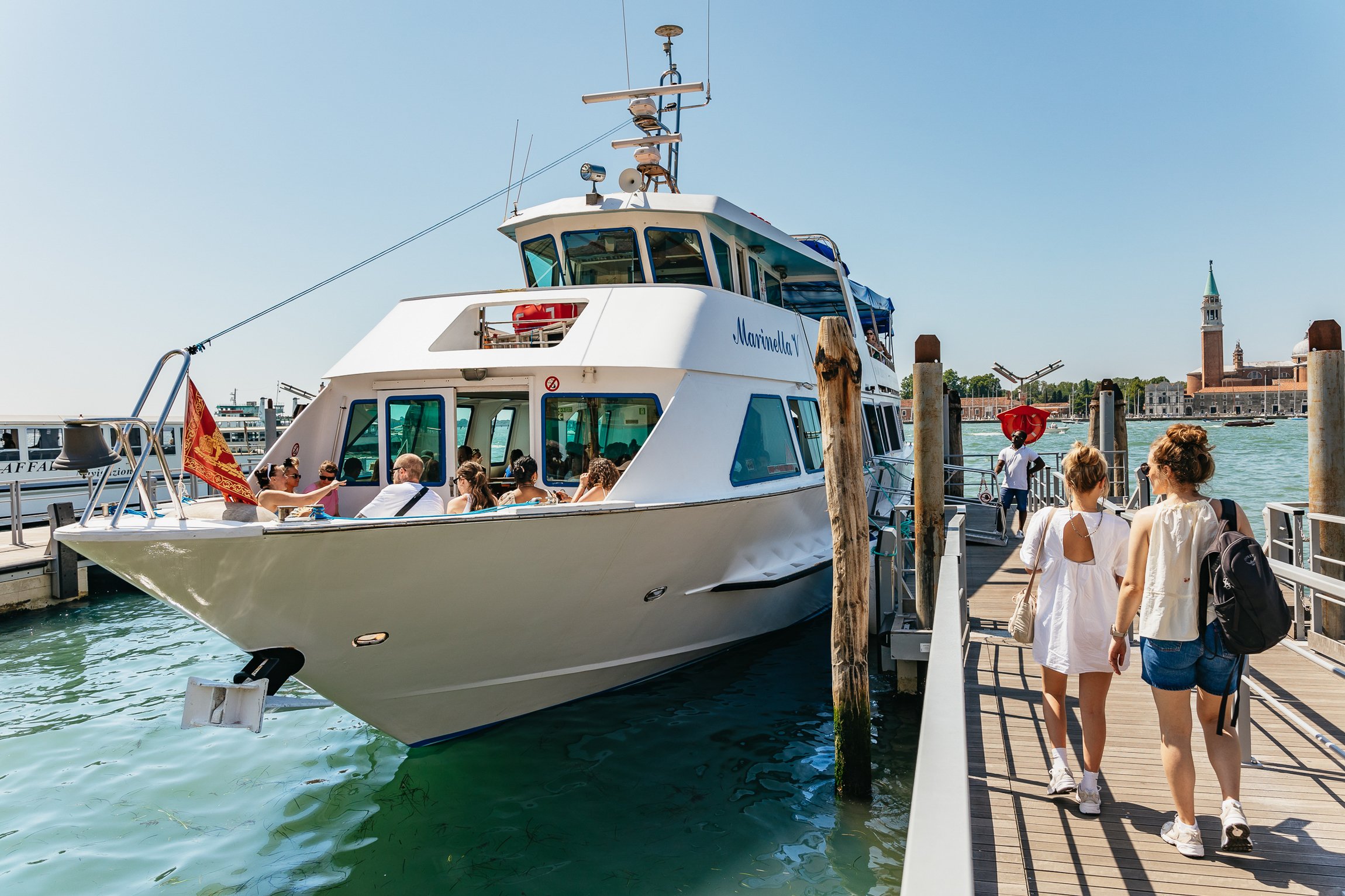
You board at Fondamente Nove, where vaporetti and private launches queue along the stone quay. The vessel cuts northeast across open water, Murano's brick chimneys visible within ten minutes. You disembark at Colonna, walking three minutes to a working furnace where a maestro shapes molten silica at 1,400 degrees Celsius, the gather glowing orange on a steel pontil. The demonstration lasts twenty minutes. You're free to explore showrooms stocked with chandeliers and sculptures, then walk the Fondamenta dei Vetrai past smaller studios before re-boarding. Burano appears after a thirty-minute crossing, its painted houses framing narrow canals. You step onto Via Baldassare Galuppi, the main thoroughfare lined with lace vendors and trattorie. The Museo del Merletto occupies the former lace school, displaying collar ruffs and altar cloths requiring 2,000 hours of needlework. Outside, residents maintain the color tradition, repainting every two years in shades approved by municipal registry. Torcello requires fifteen minutes from Burano. You walk a gravel path from the landing to the basilica, crossing the Devil's Bridge without parapets. Inside Santa Maria Assunta, the apse mosaic of the Virgin against gold leaf dominates the nave. You climb the campanile for marsh views extending to the Alps on clear days, then return to the boat for the fifty-minute crossing back to Venice.
The Glass Museum is open daily from 10:00 to 18:00 for your venice glass island tour.
Yes, this venice glass island tour is family-friendly, though navigating bridges with strollers requires extra effort.
Large bags are restricted at the Glass Museum, so travel light on your venice glass island tour.
Yes, non-flash photography is allowed in the Glass Museum on your venice glass island tour.
For the best experience, arrive between 10:00 and 11:00 for your venice glass island tour.
The Glass Museum is fully accessible, but some parts of Burano and Torcello have historic cobblestone streets.
Numerous cafes are available in Murano and Burano to grab snacks during your venice glass island tour.
Only the Glass Museum has an entrance fee of 15 EUR; the other islands are public spaces.
The furnaces are located along the canals of Murano, easily accessible via foot during your venice glass island tour.